

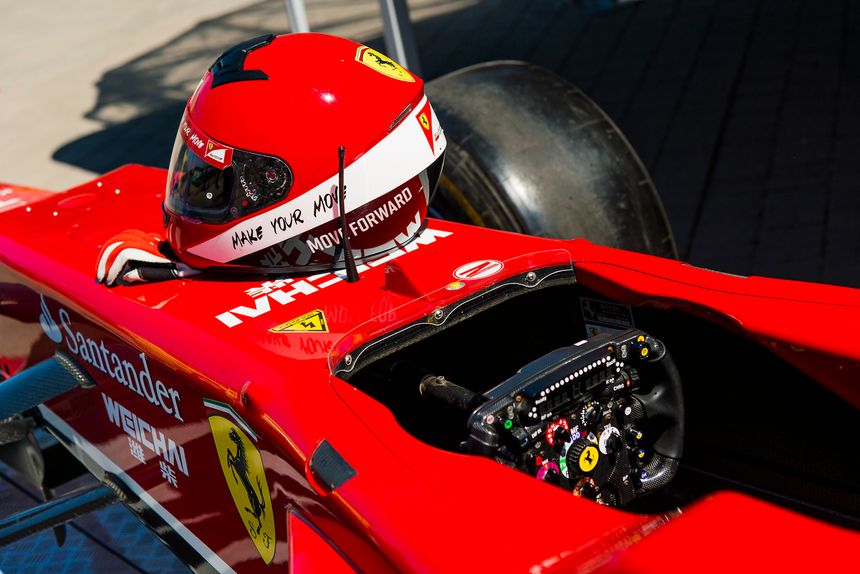
As an F1 fan, it’s hard not to be excited about what 2026 represents: a true reset. New chassis rules, radically different aerodynamics, and power units with a near 50:50 split between electric and combustion signal a sport willing to rethink performance from the ground up. What stands out is how efficiency, safety, and adaptability are now central—not secondary—to competitiveness.
From a sustainability lens, the shift toward higher energy recovery, reduced drag, lighter cars, and sustainable fuels is especially meaningful. These changes force teams to balance performance with smarter resource use, tighter development cycles, and system-level thinking. It’s innovation under constraint, and that’s often where the most transferable lessons emerge.
What I find most compelling is that despite the clean-sheet regulations, success will still depend on fundamentals: strong processes, collaboration, testing, and learning from past seasons. Teams aren’t carrying parts into 2026, but they are carrying knowledge. That’s a powerful reminder for any industry facing disruption tools, data, and people matter more than legacy designs.
Formula 1 has always been a high-speed laboratory, and 2026 reinforces that role. The way teams manage risk, integrate new technologies, and adapt under pressure offers valuable insight well beyond the racetrack.
/Passle/60211dc9e5416a0c14bc63d4/SearchServiceImages/2026-10-09-14-47-29-978-6ac8fe81bf2cf47546e7c7c8.jpg)
/Passle/60211dc9e5416a0c14bc63d4/SearchServiceImages/2026-10-16-15-04-20-057-6ad23cf4b378b0c78cece71b.jpg)
/Passle/60211dc9e5416a0c14bc63d4/SearchServiceImages/2026-10-16-11-16-08-226-6ad20778f0722e0f6fffd010.jpg)
/Passle/60211dc9e5416a0c14bc63d4/SearchServiceImages/2026-10-22-14-57-06-228-6ada2442594ea8e6e3b00785.jpg)