

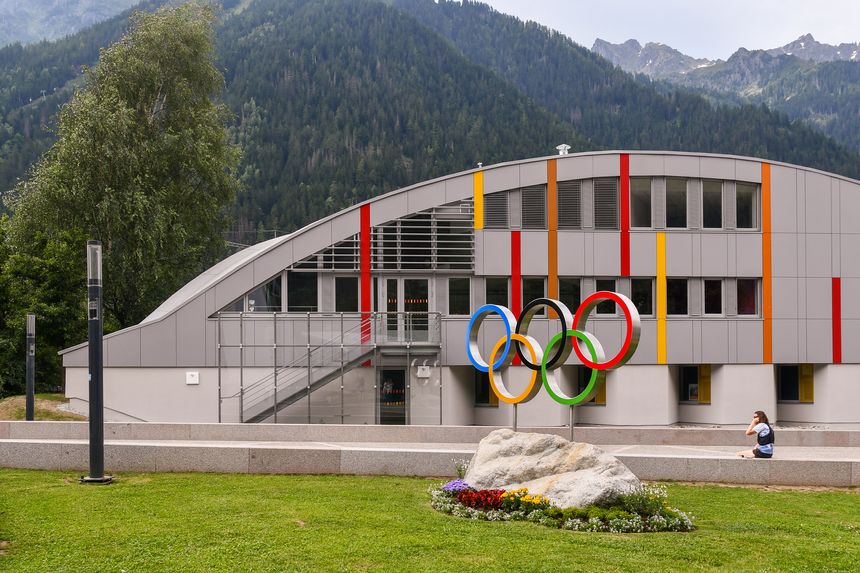
As the 2026 Milan-Cortina Winter Olympics come to a close, the question on many minds is this: will these Games be remembered only for medals and moments, or for a lasting legacy that goes well beyond the closing ceremony? Organizers set out to make sustainability and long-term community benefit central to this year’s Games, and there are meaningful examples worth reflecting on as the Olympic flame is extinguished.
For these Olympics, sustainability wasn’t an afterthought. More than 85 % of venues used for competition were existing or temporary, reducing the need for entirely new infrastructure. Several historic facilities were also modernized, combining heritage preservation with energy performance upgrades and improved accessibility, a model of how major sporting events can retrofit and revitalize existing spaces for long-term use.
Energy was another area of focus. Organizers committed to powering the Games with certified renewable electricity, supported by infrastructure upgrades in host areas that could benefit communities long after the athletes have left.
Perhaps the most tangible example of legacy in action is the transformation of the Milan Olympic Village into student housing and community space once the Games conclude. This evolution, from athlete accommodation to affordable housing and vibrant public space, signals a commitment to lasting impact beyond sport.
These efforts show what’s possible when big events are planned with future use and sustainability in mind. But it’s also important to recognize the hard truths that come with hosting events of this scale. Skeptics and activists have questioned the cost and environmental footprint of the Games, including disputes over land use and public spending.
That tension between ambition and accountability, is part of what makes this edition of the Winter Olympics so instructive. The Milan-Cortina model may not be perfect, but it pushes the conversation forward: sporting spectacles need not be temporary bursts of energy and expense that disappear without a trace. They can leave behind facilities, community assets and infrastructure that people use every day.
In a world facing climate change and resource constraints, how we host global events matters. Milan-Cortina 2026 took steps to prove that sustainability and legacy can be integrated into what was once a cycle of construction, competition and decay. The true measure of success will be whether these choices benefit people and places long after the podiums are packed away.
/Passle/60211dc9e5416a0c14bc63d4/SearchServiceImages/2026-09-30-10-39-14-152-6abce6d2ce06b7aee061e77e.jpg)
/Passle/60211dc9e5416a0c14bc63d4/SearchServiceImages/2026-10-05-07-46-34-555-6ac355da5a3b6bd1825bc179.jpg)
/Passle/60211dc9e5416a0c14bc63d4/SearchServiceImages/2026-10-06-16-03-57-961-6ac51beda2651f39e10fb916.jpg)
/Passle/60211dc9e5416a0c14bc63d4/SearchServiceImages/2026-09-23-19-13-10-899-6ab424c6f84433e70eea14a5.jpg)