

Every so often, you come across an idea that makes you stop and say—wait, they did what with old phones?!
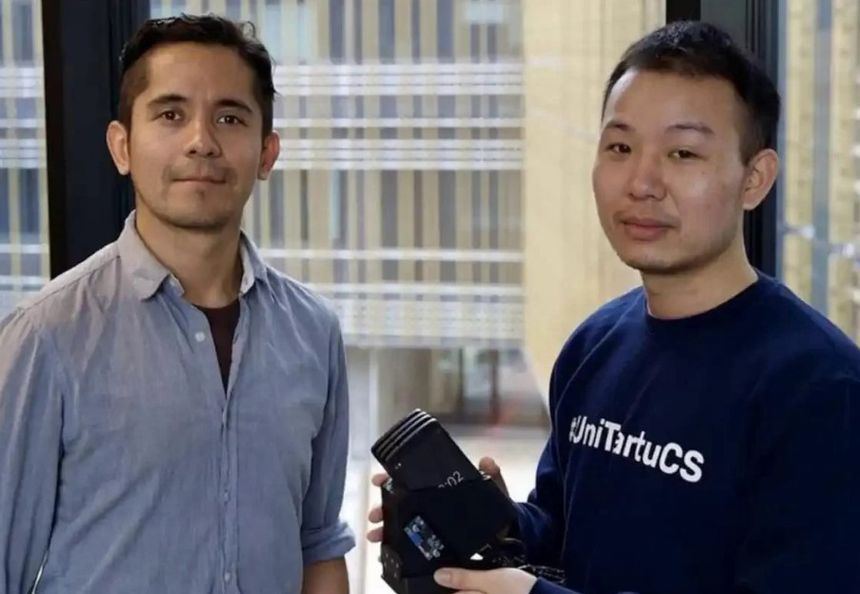
Enter Huber Flores and Zhigang Yin, two bright minds from the University of Tartu, who saw potential where most of us see cluttered junk drawers. Instead of tossing out used smartphones, they gave them a second life—as a mini data center.
Using a custom 3D-printed frame and a few added circuits, they connected several old phones to work together as one compact, low-cost, and surprisingly versatile data hub. While it’s no rival to the giant server farms powering the internet, it doesn’t have to be. This little system is just right for scenarios where space, cost, and quick deployment are everything.
Need an example? Think bus stops that can count passengers in real time, helping cities improve transit routes. Or sensors collecting environmental data from the ocean floor. This isn’t theoretical—they’ve already tested it underwater. (Yes, really.)
What makes this especially exciting is how it blends sustainability with ingenuity. E-waste is a growing global issue, and here we have a clear, tangible example of the circular economy in action—reusing what we already have in smart, scalable ways.
It’s also a reminder that innovation doesn’t have to come from billion-dollar labs. Sometimes it starts with students, a few old phones, and a bold idea to make the world better.
And we’re only scratching the surface.
/Passle/60211dc9e5416a0c14bc63d4/MediaLibrary/Images/2024-07-25-19-34-58-437-66a2a8e2012a075bf2d3886e.jpg)
/Passle/60211dc9e5416a0c14bc63d4/SearchServiceImages/2026-08-28-21-08-00-332-6a91f8b0de355275bbc2047e.jpg)
/Passle/60211dc9e5416a0c14bc63d4/SearchServiceImages/2026-09-01-19-40-59-331-6a972a4bf9386af8ea707113.jpg)
/Passle/60211dc9e5416a0c14bc63d4/SearchServiceImages/2026-09-03-11-57-48-238-6a9960bc7466c353608a92a5.jpg)