


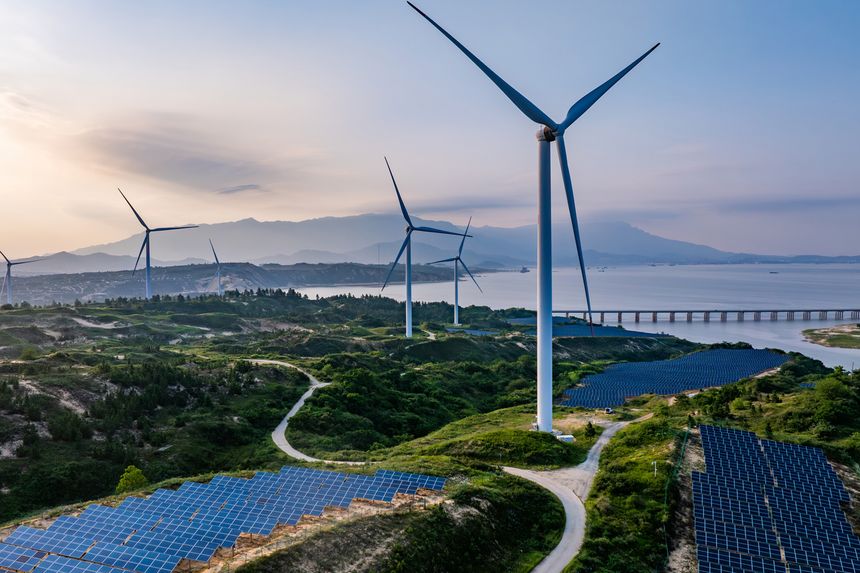
Renewable energy is no longer a fringe part of the global energy mix. It has become central to how governments, investors, and communities think about climate action and long-term sustainability. Rapid growth in technologies like solar photovoltaic and wind power has driven unprecedented expansion in renewable electricity generation, supported by policy incentives and steep cost reductions that make clean power competitive with legacy energy sources. This shift is significant because cutting greenhouse gas emissions at the scale needed to limit warming depends on replacing fossil fuel-based energy with low-carbon alternatives across the economy.
Most discussions about sustainability still focus on electricity, where renewables have made the most visible gains. However, electricity accounts for only about one fifth of global energy use, meaning the challenge ahead lies in scaling renewable solutions into sectors like heating and transport where emissions remain high. Renewables can provide renewable heat and fuels that help reduce emissions in buildings, industry, and mobility, but achieving that transition will require stronger policies, resilient supply chains, smarter grid integration, and more targeted financing to overcome persistent bottlenecks.
Beyond climate mitigation, renewable energy delivers a range of environmental and economic benefits. It produces far lower emissions and air pollution than fossil fuels, helping protect public health. Diversifying energy production with wind, solar, hydro, and other renewable sources can reduce dependence on imported fuels and enhance energy security. The renewable energy industry also drives local economic development and job creation, from manufacturing and installation to maintenance and operations.
The connection between renewable energy and sustainability extends beyond environmental impact. By shifting how energy is produced and consumed, societies can reimagine economic systems in ways that align growth with long-term ecological and social well-being. A future powered largely by renewables would not only cut emissions but also help build more resilient, equitable, and prosperous communities.
As renewable technologies continue to mature, the imperative is clear: energy transitions must be comprehensive, inclusive, and paced with urgency. Policymakers, industries, and investors all have roles to play in turning current momentum into durable progress that meets both climate goals and broader sustainability objectives.
/Passle/60211dc9e5416a0c14bc63d4/MediaLibrary/Images/2026-10-08-14-59-39-789-6ac7afdb1204b135b13c425a.png)
/Passle/60211dc9e5416a0c14bc63d4/SearchServiceImages/2026-10-03-17-09-33-012-6ac136cd8774e417e831aed3.jpg)
/Passle/60211dc9e5416a0c14bc63d4/SearchServiceImages/2026-10-13-15-16-49-499-6ace4b61477453bcaa2e95ec.jpg)
/Passle/60211dc9e5416a0c14bc63d4/SearchServiceImages/2026-10-07-03-07-28-884-6ac5b770e2138e97236d8711.jpg)