


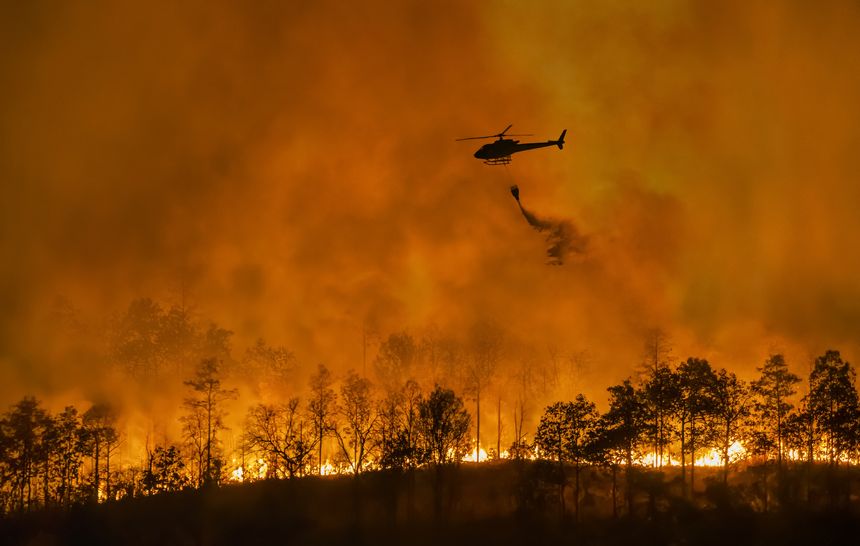
It is easy to see headlines about declining air quality and feel discouraged. This article brings attention to a real and growing challenge, with wildfire activity across multiple continents contributing to worsening air pollution and increased health risks.
What I find encouraging, though, is how clearly the data is helping us understand the scale and drivers of the issue. Reports like this are not just highlighting problems; they are improving visibility. When nearly 9,500 cities are being monitored and compared, it creates a much stronger foundation for action and accountability.
There is also an important reminder here that air quality is not fixed. It can change quickly, both positively and negatively. While wildfires have had a significant impact, many regions are also making progress, showing that improvements are possible when the right focus and investment are in place.
Another encouraging aspect is the growing role of data and monitoring technology. Expanding access to real-time air quality information empowers communities, supports better decision making, and helps drive more targeted solutions.
For me, this is a reminder that awareness is a critical first step. The more we understand about what is happening in the air around us, the better equipped we are to respond, adapt, and ultimately improve the environments we live in.
/Passle/60211dc9e5416a0c14bc63d4/SearchServiceImages/2026-09-18-13-51-31-966-6aad41e35317429cff438b91.jpg)
/Passle/60211dc9e5416a0c14bc63d4/SearchServiceImages/2026-09-14-14-30-51-508-6aa8051bdd088aaa4256dec9.jpg)
/Passle/60211dc9e5416a0c14bc63d4/SearchServiceImages/2026-09-17-13-19-13-754-6aabe8d1d83deebed6798420.jpg)
/Passle/60211dc9e5416a0c14bc63d4/SearchServiceImages/2026-09-14-11-29-34-455-6aa7da9e162ac4d6485e94ed.jpg)