


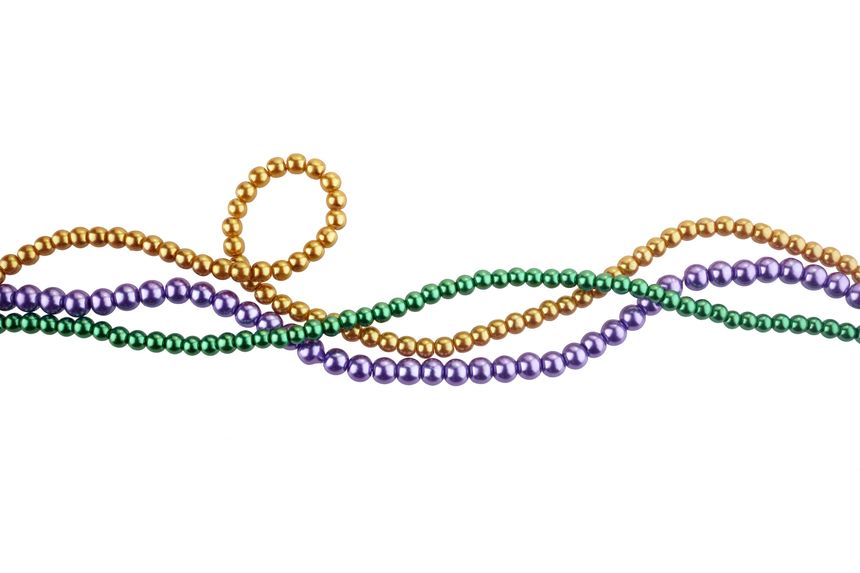
Mardi Gras in New Orleans is a vibrant celebration that draws thousands of people together to enjoy parades, music and community spirit, but beneath the color and excitement there has long been an environmental challenge as millions of plastic bead necklaces and other throws accumulate in streets, trees and waterways. The AP News report on biodegradable beads highlights an effort to change that legacy by introducing new kinds of parade throws that break down more naturally instead of lingering for years in the local environment.
Scientists and students have been developing biodegradable beads made from plant based and bio plastic materials that are designed to decompose much more quickly than traditional plastic strands, reducing the lasting footprint of Carnival celebrations. This effort is part of a wider movement to rethink the tradition of throwing plastic beads and other items in favor of sustainable alternatives that still bring joy but do not contribute to pollution or clog storm drains. The shift toward biodegradable throws reflects growing awareness of how beloved cultural events interact with the planet.
Communities are blending celebration with climate consciousness. Mardi Gras remains as festive and spirited as ever, but new approaches to the iconic beads show how long-standing traditions can evolve in ways that honor both culture and the environment.
/Passle/60211dc9e5416a0c14bc63d4/SearchServiceImages/2026-10-13-15-16-49-499-6ace4b61477453bcaa2e95ec.jpg)
/Passle/60211dc9e5416a0c14bc63d4/SearchServiceImages/2026-10-07-03-07-28-884-6ac5b770e2138e97236d8711.jpg)
/Passle/60211dc9e5416a0c14bc63d4/SearchServiceImages/2026-10-03-02-21-11-638-6ac066977c1a0b1c3a065bb9.jpg)
/Passle/60211dc9e5416a0c14bc63d4/SearchServiceImages/2026-09-27-17-44-10-859-6ab955eaef3ecc8443aa618d.jpg)