


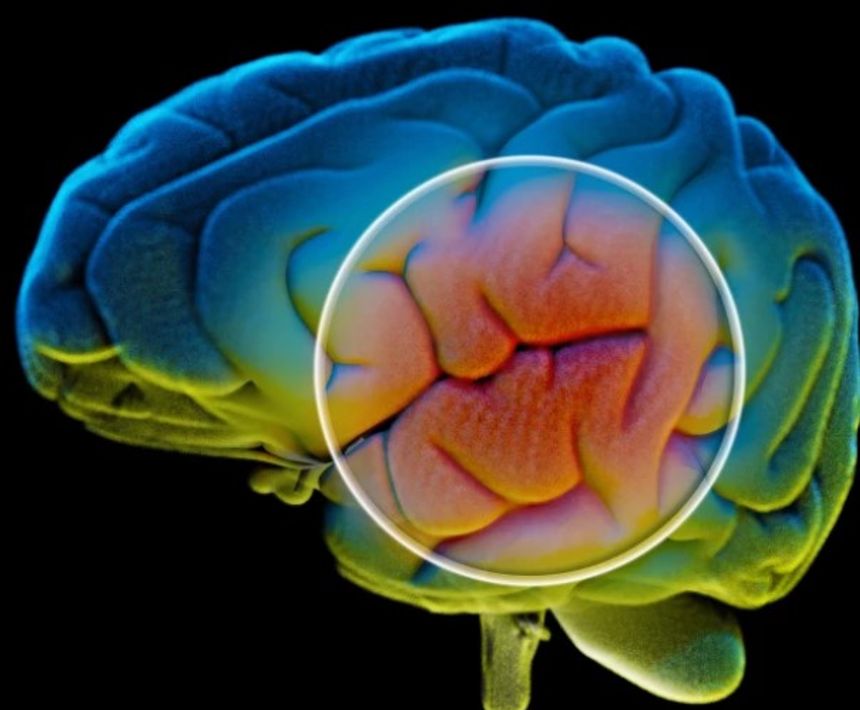
A recent UCSF study has found that a protein called FTL1, which builds up in the hippocampus with age, plays a key role in memory decline. When researchers increased FTL1 in young mice, their brains showed signs of aging. When they reduced it in older mice, memory function returned and neural connections were restored.
This work suggests that age-related memory loss may not be irreversible. While much more research is needed in humans, the study points to the possibility that targeting FTL1 could one day help address cognitive decline.
/Passle/60211dc9e5416a0c14bc63d4/MediaLibrary/Images/2024-07-25-19-34-58-437-66a2a8e2012a075bf2d3886e.jpg)
/Passle/60211dc9e5416a0c14bc63d4/SearchServiceImages/2026-08-28-21-08-00-332-6a91f8b0de355275bbc2047e.jpg)
/Passle/60211dc9e5416a0c14bc63d4/SearchServiceImages/2026-09-01-19-40-59-331-6a972a4bf9386af8ea707113.jpg)
/Passle/60211dc9e5416a0c14bc63d4/SearchServiceImages/2026-09-03-11-57-48-238-6a9960bc7466c353608a92a5.jpg)




