

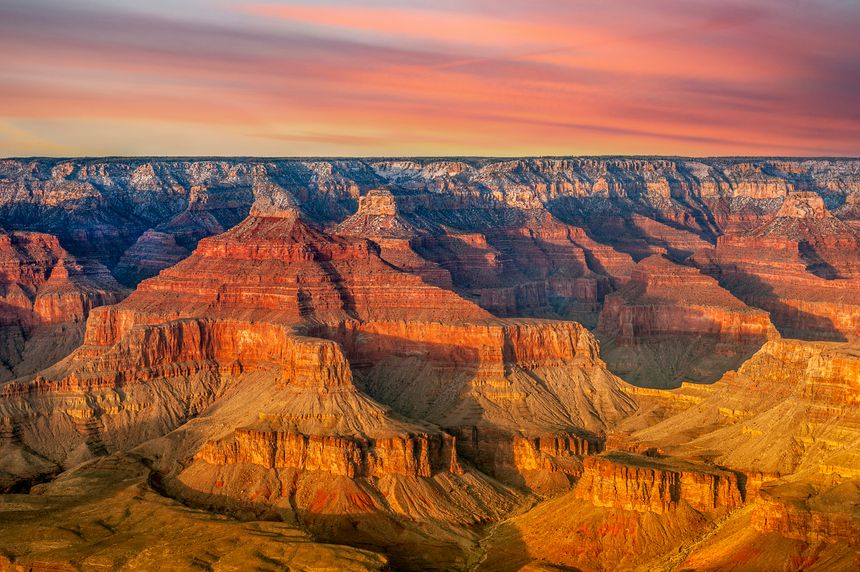
The temporary closure of overnight accommodations at the Grand Canyon’s South Rim is a clear reminder that even the most treasured natural landmarks depend on reliable infrastructure. The recent water main failures that halted service to hotels and facilities across the South Rim show how decades-old systems can disrupt both visitor access and community operations when they reach their limits.
The Transcanyon Waterline was built in the 1960s and has been stretched far beyond its intended lifespan. The result is a series of costly, complex failures that now require urgent attention. The ongoing rehabilitation work is necessary, but this situation raises a broader question. How many other national parks rely on aging infrastructure that is one failure away from a major disruption.
Protecting natural heritage requires more than environmental stewardship. It depends on modern infrastructure that is resilient, sustainable, and ready for the demands of future generations. The Grand Canyon incident is an example of what happens when investment in critical systems is delayed for too long.
Public land managers, policymakers, and the communities that rely on these landscapes all have a role to play. Infrastructure renewal should be treated as a core part of conservation. To preserve access to places we value, we must safeguard both the environment and the systems that support it.
/Passle/60211dc9e5416a0c14bc63d4/SearchServiceImages/2026-10-16-11-16-08-226-6ad20778f0722e0f6fffd010.jpg)
/Passle/60211dc9e5416a0c14bc63d4/SearchServiceImages/2026-10-22-14-57-06-228-6ada2442594ea8e6e3b00785.jpg)
/Passle/60211dc9e5416a0c14bc63d4/SearchServiceImages/2026-10-15-08-01-34-892-6ad0885ed13e4bbdf6a6a870.jpg)
/Passle/60211dc9e5416a0c14bc63d4/SearchServiceImages/2026-10-06-17-19-56-342-6ac52dbc4e3377a132b46e72.jpg)