


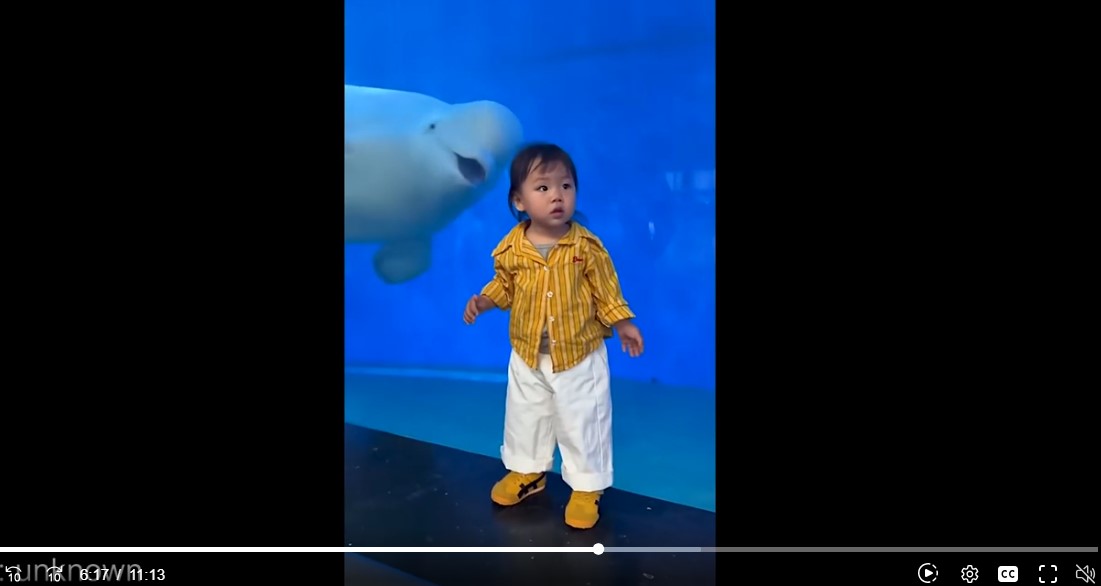
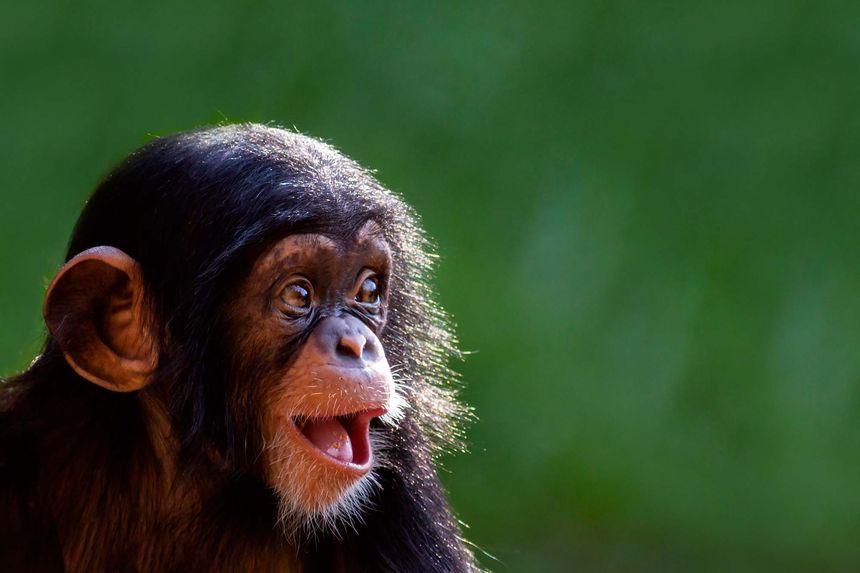
There’s a unique sort of joy that sunlight doesn’t quite capture — the kind that fills your whole chest when you see a baby animal seemingly break into a smile. Something about that expression reminds us of warmth, safety, and simple delight: an all-purpose reset for the soul.
When we see a baby animal, especially one that looks like it’s grinning or having fun, our brains don’t just take note — they lean in. Youthful features such as big eyes, round faces, soft bodies and expressive motions instinctively trigger caregiving and emotional-bonding responses in humans, encouraging feelings of protection, empathy, and joy.
That emotional uplift isn’t just fleeting feel-good fluff. Seeing cute baby animals influences our mood and behavior: people often feel more positive, less stressed, and more energized after viewing images of adorable animals. Some studies even suggest this effect can improve focus or attentiveness in tasks that require precision.
Why does this happen? It likely stems from evolution: by being tuned to respond to things that look vulnerable, youthful, or “in need of care,” we become more nurturing, attentive, and socially bonded. The reaction to cuteness may help strengthen empathy, connection, and social cohesion.
So the next time you scroll past the photo of a baby fox with a toothy grin or a goat kid that seems to be laughing, know this: your brain is lighting up — and you’re not just being sentimental. You’re responding in a deeply human way to innocence, joy, and potential.
/Passle/60211dc9e5416a0c14bc63d4/MediaLibrary/Images/2024-07-25-19-34-58-437-66a2a8e2012a075bf2d3886e.jpg)
/Passle/60211dc9e5416a0c14bc63d4/SearchServiceImages/2026-08-28-21-08-00-332-6a91f8b0de355275bbc2047e.jpg)
/Passle/60211dc9e5416a0c14bc63d4/SearchServiceImages/2026-09-01-19-40-59-331-6a972a4bf9386af8ea707113.jpg)
/Passle/60211dc9e5416a0c14bc63d4/SearchServiceImages/2026-09-03-11-57-48-238-6a9960bc7466c353608a92a5.jpg)