

For decades, many believed that doing good for the environment and doing well financially were opposing goals. Business leaders often worried that investing in sustainability would eat into margins, slow growth, or complicate operations. That view is changing, quickly and for good reason.
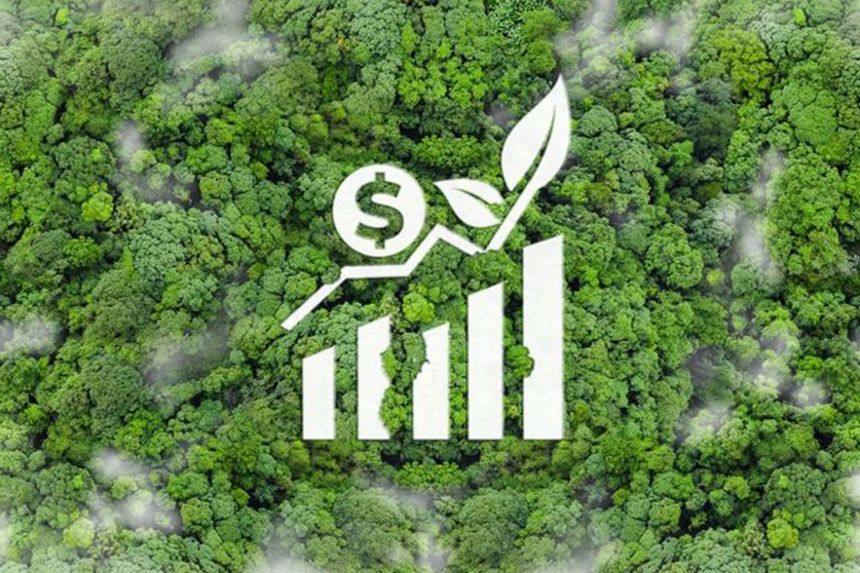
The article explains how sustainability, far from being a cost center, is becoming a driver of value and competitive strength. With the right technologies, business models, and partnerships, organizations are proving that reducing environmental impact and generating profit can work together.
When a company looks at its processes through the lens of efficiency, resource use, waste reduction, and circularity, it can uncover cost savings. As the market begins to value sustainable practices such as cleaner supply chains, less waste, and lower carbon emissions, new customer segments and opportunities emerge. When companies innovate around these opportunities, they can create new offerings, new markets, and new ways of doing business rather than simply updating old models.
The result is that sustainability becomes a proactive strategy for growth, not just a reaction to regulation or reputation risk. This is about more than doing less harm; it is about doing things differently. Businesses that embrace this mindset are better positioned for the future in areas such as talent attraction, investor confidence, regulatory readiness, and customer loyalty.
For companies willing to change, the message is clear: profit and purpose can coexist. Aligning the two requires leadership with vision, investment in innovation, and a willingness to rethink what value means. The transition is not always simple and may require new partnerships, cultural change, and long-term commitment, but the rewards are significant.
For professionals in sustainability, operations, or strategy, this new landscape means integrating sustainability into the core of the business rather than treating it as an afterthought. For clients, partners, and suppliers, it means asking not only “How much will it cost?” but also “What value will it create?” The logic is shifting, and the opportunities are growing.
The old belief that sustainability and profitability were at odds no longer holds true. Today, they reinforce each other. Businesses that recognize this alignment will lead the way toward a more resilient and responsible future.
/Passle/60211dc9e5416a0c14bc63d4/MediaLibrary/Images/2024-07-25-19-34-58-437-66a2a8e2012a075bf2d3886e.jpg)
/Passle/60211dc9e5416a0c14bc63d4/SearchServiceImages/2026-08-28-21-08-00-332-6a91f8b0de355275bbc2047e.jpg)
/Passle/60211dc9e5416a0c14bc63d4/SearchServiceImages/2026-09-01-19-40-59-331-6a972a4bf9386af8ea707113.jpg)
/Passle/60211dc9e5416a0c14bc63d4/SearchServiceImages/2026-09-03-11-57-48-238-6a9960bc7466c353608a92a5.jpg)