

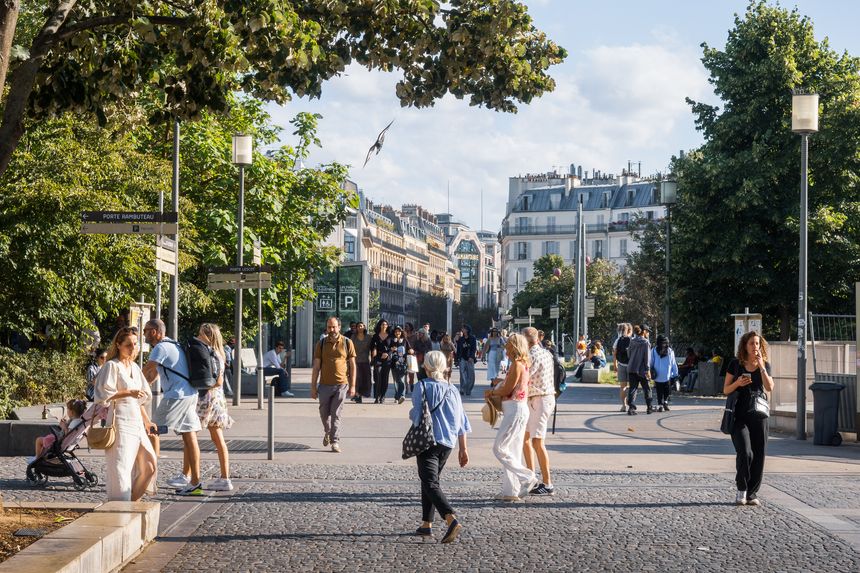
As urban populations grow and sustainability becomes an urgent priority, walkable cities are increasingly being recognized as a necessity rather than a luxury. Designing communities where people can live, work, and access essential services within walking distance has far-reaching benefits for both people and the planet.
Walkable environments reduce reliance on cars, helping to lower greenhouse gas emissions and improve air quality, two critical factors in addressing climate change. At the same time, they encourage more active lifestyles, with research showing that people in walkable neighborhoods are more likely to incorporate regular physical activity into their daily routines, leading to better overall health.
Beyond environmental and health benefits, walkable cities foster stronger communities. Easy access to local shops, public spaces, and amenities promotes social interaction and supports local businesses, contributing to more vibrant and resilient economies.
Despite these advantages, access to walkable environments remains limited, particularly in car-dependent regions where urban sprawl has made everyday destinations harder to reach without driving. This highlights the growing need for cities to rethink urban design and invest in infrastructure that prioritizes people over vehicles.
Ultimately, the shift toward walkable cities represents a fundamental change in how we approach urban living, one that supports healthier lifestyles, stronger communities, and a more sustainable future.
/Passle/60211dc9e5416a0c14bc63d4/SearchServiceImages/2026-09-17-13-19-13-754-6aabe8d1d83deebed6798420.jpg)
/Passle/60211dc9e5416a0c14bc63d4/SearchServiceImages/2026-09-14-11-29-34-455-6aa7da9e162ac4d6485e94ed.jpg)
/Passle/60211dc9e5416a0c14bc63d4/SearchServiceImages/2026-09-14-13-51-59-114-6aa7fbff942e1ead4d7a6bb3.jpg)
/Passle/60211dc9e5416a0c14bc63d4/MediaLibrary/Images/2026-09-17-13-58-04-341-6aabf1ecd83deebed679a4a3.png)