


The discovery of millions of bees living quietly beneath a cemetery in Ithaca feels like a reminder that nature is often far more complex, and far closer than we realize. Beneath what appears to be still, maintained ground lies one of the largest known aggregations of ground-nesting bees, estimated at around 5.5 million individuals.
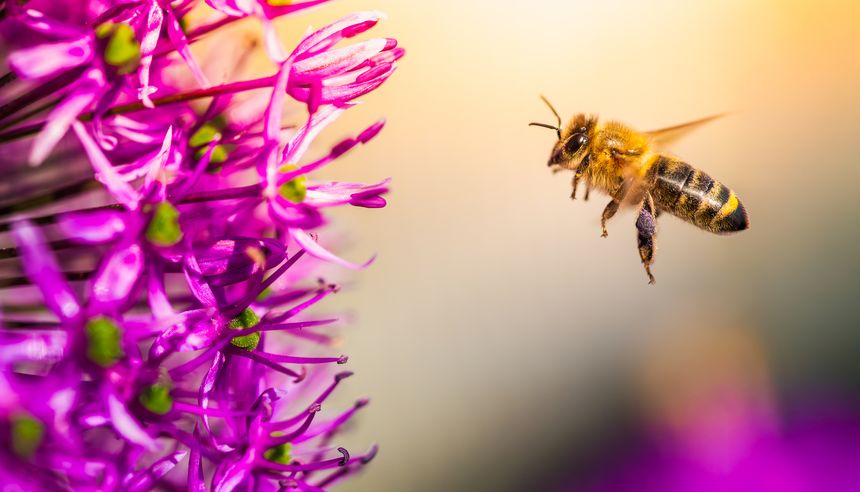
What makes this even more fascinating is how it challenges the way many of us think about bees. We tend to picture hives, structured and visible activity, yet the majority of bee species are solitary and live underground. This hidden ecosystem has likely existed for decades, even over a century, largely unnoticed beneath everyday human activity.
There is something powerful in that idea. It suggests that biodiversity is not always found in remote or protected places. Sometimes it thrives in overlooked spaces, quietly supported by conditions like undisturbed soil and the absence of pesticides. Cemeteries, in particular, are emerging as unexpected refuges for wildlife, offering stability in otherwise developed environments.
At a time when conversations around pollinator decline feel urgent, discoveries like this offer a different perspective. Not everything is disappearing. Some ecosystems are still thriving, just out of sight. The challenge now is recognizing their value before they are unintentionally lost.
/Passle/60211dc9e5416a0c14bc63d4/SearchServiceImages/2026-10-02-13-32-02-404-6abfb2527f63a687f5e4517c.jpg)
/Passle/60211dc9e5416a0c14bc63d4/SearchServiceImages/2026-10-05-13-05-26-086-6ac3a0967533beb6e63d4d89.jpg)
/Passle/60211dc9e5416a0c14bc63d4/SearchServiceImages/2026-09-23-16-39-22-670-6ab400ba0e500d8e6b069e7a.jpg)
/Passle/60211dc9e5416a0c14bc63d4/SearchServiceImages/2026-09-30-10-39-14-152-6abce6d2ce06b7aee061e77e.jpg)