

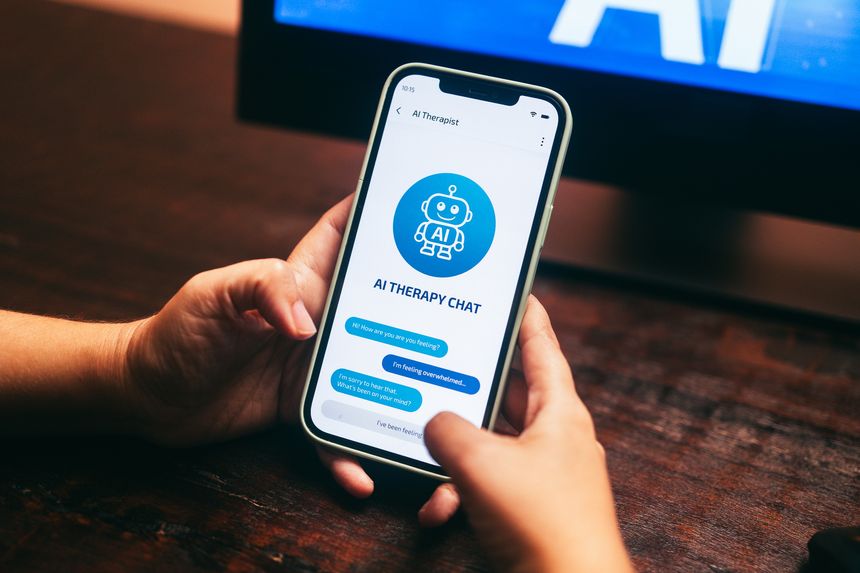
A growing number of people are turning to AI tools instead of doctors for medical advice, drawn by convenience, cost savings, and immediate answers. But that shift is raising serious concerns. Reports highlight how AI systems can deliver incorrect or misleading health guidance, sometimes offering advice that directly contradicts medical best practices.
The trend reflects deeper issues in healthcare access, where cost, time, and availability push people toward digital, self-serve alternatives. Yet experts warn that AI lacks the clinical judgment, accountability, and nuance of a trained physician. In some cases, people are acting on this advice without ever consulting a professional, increasing the risk of delayed diagnoses or worsening conditions.
There is real potential for AI to support healthcare, especially as a supplement to medical care. But as usage grows, so does the need for caution. The takeaway is clear: AI can inform, but it should not replace the human expertise that ultimately keeps people safe.
/Passle/60211dc9e5416a0c14bc63d4/SearchServiceImages/2026-10-07-03-07-28-884-6ac5b770e2138e97236d8711.jpg)
/Passle/60211dc9e5416a0c14bc63d4/SearchServiceImages/2026-10-03-02-21-11-638-6ac066977c1a0b1c3a065bb9.jpg)
/Passle/60211dc9e5416a0c14bc63d4/SearchServiceImages/2026-09-27-17-44-10-859-6ab955eaef3ecc8443aa618d.jpg)
/Passle/60211dc9e5416a0c14bc63d4/SearchServiceImages/2026-10-14-08-11-38-961-6acf393a477453bcaa310c72.jpg)