
Formula 1 is the pinnacle of global motorsports, known for its incredibly fast and technologically advanced cars that can reach over 370 km/h (230 mph), the immense physical demands on drivers who experience extreme g-forces exceeding 6g, and the complex engineering involved in designing cars that cost millions of dollars to build.
Teams travel around the world to compete in 24 races in Europe, Asia, Australia and North America, and annual budgets can exceed $135 million. So, with that much at stake, you would think that teams would want to reuse their race cars as long as possible. Wrong!
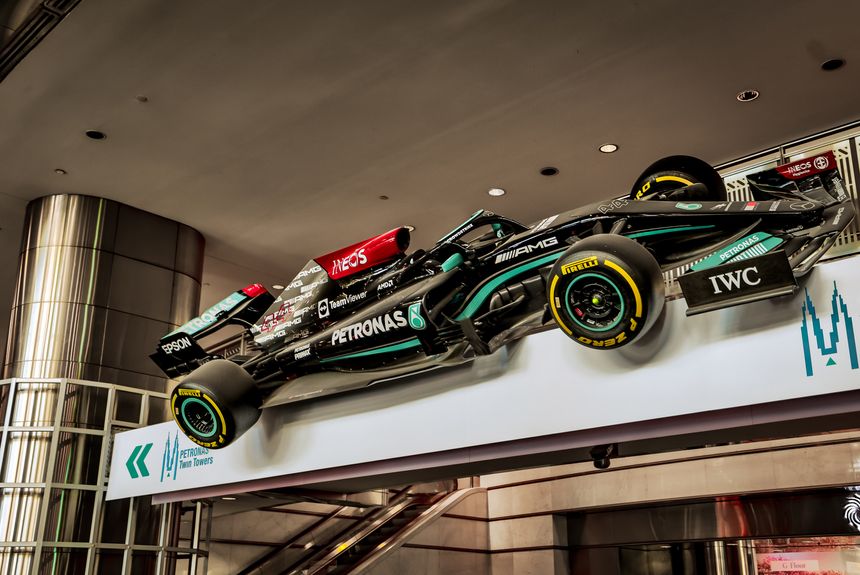
These cars, estimated to cost over $20 million apiece, are run into the ground before they're discarded like last season's sneakers. They're deemed to be "heritage" once the season ends, as teams strip down the car for parts and either use them for older cars or to develop them for future cars. Mercedes AMG F1 says it has over a million parts in its heritage division, all of them tagged and stored for future use. Some F1 constructors may have to send back their engines if they are leased from another company, for instance McLaren returning its engines to its supplier, Mercedes.
But the teams do retain some cars, servicing them annually to keep them in running condition for historic events and showruns. These cars are often used for promotional appearances and demo runs. F1 cars of historic significance are presented to sponsors or preserved and displayed. Some companies, including Mercedes, McLaren, Ferrari, and Williams, have museums and heritage divisions that maintain and showcase these cars for future generations to marvel at.
And while most of the race cars just fade away, occasionally some do even make it to the auction block. But you better be prepared to pay for the priviledge to own a F1 racer!
In fact, the second-costliest car ever sold in an auction was a 1950s F1 car raced by legendary drivers Stirling Moss and Juan Manuel Fangio, which sold for a cool $53.9 million at an auction this year.
But you can have a few other iconic cars for a fraction of the cost (although they do have more zeros than the mind can comprehend), like Lewis Hamilton's Mercedes F1 car from 2013 — his first year with the German manufacturer — which sold for $20.36 million in 2023, or Michael Schumacher's championship-winning car from 2001, which went for $18.17 million earlier this year.
For most of us though, the closest thing to owning a F1 race car will be purchasing a die-cast model!
/Passle/60211dc9e5416a0c14bc63d4/MediaLibrary/Images/2024-07-25-19-34-58-437-66a2a8e2012a075bf2d3886e.jpg)
/Passle/60211dc9e5416a0c14bc63d4/SearchServiceImages/2026-08-28-21-08-00-332-6a91f8b0de355275bbc2047e.jpg)
/Passle/60211dc9e5416a0c14bc63d4/SearchServiceImages/2026-09-01-19-40-59-331-6a972a4bf9386af8ea707113.jpg)
/Passle/60211dc9e5416a0c14bc63d4/SearchServiceImages/2026-09-03-11-57-48-238-6a9960bc7466c353608a92a5.jpg)