

I always find it encouraging when new ideas challenge how we think about land use in a changing climate. The proposal to convert idle farmland in California into a large clean energy hub is a strong example of the kind of creativity the energy transition will require.
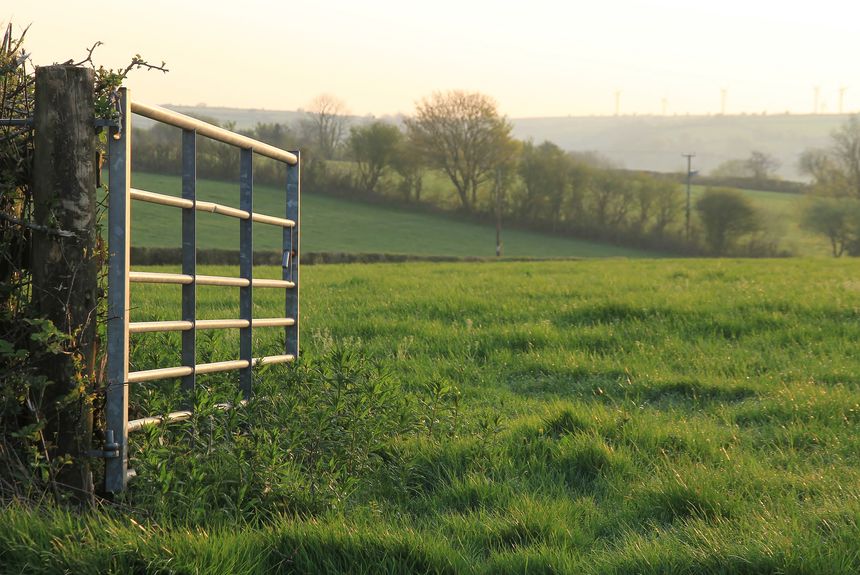
In California’s Central Valley, ongoing water shortages are expected to make significant areas of farmland unusable. Some estimates suggest that tens of thousands of acres are already sitting idle as water supplies become more constrained. Rather than allowing that land to remain unproductive, developers are proposing large solar installations paired with battery storage that could generate substantial amounts of renewable electricity.
What stands out most to me is the scale of the vision. Plans associated with the Valley Clean Infrastructure initiative could bring tens of gigawatts of solar generation online, supported by energy storage, effectively transforming land that once grew crops into a major source of clean power.
This approach feels like the next chapter in renewable energy development. Solar is no longer limited to rooftops or smaller installations. It is increasingly about reimagining entire landscapes in ways that support both local economies and long term climate goals.
If initiatives like this succeed, they demonstrate how the energy transition can respond directly to regional challenges. Land that drought has pushed out of agriculture could instead help power nearby communities. Turning a constraint into an opportunity is exactly the kind of thinking that will keep progress toward a cleaner energy future moving forward.
/Passle/60211dc9e5416a0c14bc63d4/SearchServiceImages/2026-09-08-13-31-06-860-6aa00e1abf0283d03a3c6875.jpg)
/Passle/60211dc9e5416a0c14bc63d4/MediaLibrary/Images/2024-07-25-19-34-58-437-66a2a8e2012a075bf2d3886e.jpg)
/Passle/60211dc9e5416a0c14bc63d4/SearchServiceImages/2026-08-28-21-08-00-332-6a91f8b0de355275bbc2047e.jpg)
/Passle/60211dc9e5416a0c14bc63d4/SearchServiceImages/2026-09-01-19-40-59-331-6a972a4bf9386af8ea707113.jpg)