

Well, if this is the case then I am down two, with two more changes to come!
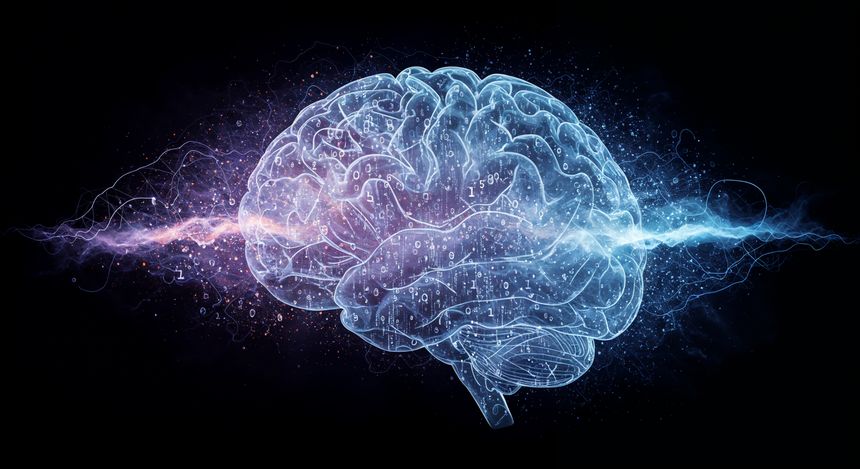
A team of neuroscientists at the University of Cambridge in the United Kingdom identified five broad phases of brain structure over the course of an average human life. These eras occur as the human brain rewires to support the different ways of thinking while we grow, mature, and eventually decline.
The major turning points occur at ages:
Age 9 – From baby to kid
From infancy through early childhood, the brain is defined by network consolidation. All of the connectors between neurons called synapses that were overproduced in a baby’s brain whittle down. The more active synapses survive, shaping the brain’s early architecture.
The childhood brain runs from birth up until a turning point at the age of nine. Here, the brain is experiencing a change in cognitive capacity, but also an increased risk of mental health disorders.
Age 32 – Adult brain takes shape
In the early 30s, the brain’s neural wiring shifts into adult mode. These changes keep the brain at an enhanced level of cognitive performance that peak in the early 30s and is the brain’s “strongest topological turning point” of the entire lifespan, according to the team.
Adulthood is the longest era and three decades. The brain’s architecture also stabilizes compared to previous phases, without any major turning points for the next 30 years. According to the team, this corresponds with a “plateau in intelligence and personality.”
Age 66 – Early aging begins
This mid-60s turning point marks the start of an “early aging” phase of brain architecture. It’s a more mild period and is not defined by any major structural shifts. However, the team still uncovered meaningful changes to the pattern of brain networks on average at around age 66.
Age 83 – Late aging
The last turning point comes around age 83. The data for this final era is more limited, but the defining feature is a shift from global to local. Whole brain connectivity declines even further and it relies on certain regions as others fade.
Understanding that our brain’s structure journey is generally one of a few major turning points instead of a steady progression can help neuroscientists better identify when and how the wiring is more vulnerable.
/Passle/60211dc9e5416a0c14bc63d4/SearchServiceImages/2026-09-08-15-59-47-905-6aa030f3d27ce9f0cbae7a79.jpg)
/Passle/60211dc9e5416a0c14bc63d4/SearchServiceImages/2026-09-09-15-01-38-177-6aa174d2313dbadbe82c2a01.jpg)
/Passle/60211dc9e5416a0c14bc63d4/SearchServiceImages/2026-09-04-10-40-38-568-6a9aa0260d5bc279697263a2.jpg)
/Passle/60211dc9e5416a0c14bc63d4/SearchServiceImages/2026-09-03-15-41-56-326-6a9995447466c353608b5180.jpg)